根據 [2], “Thermal conductivity, also known as Lambda (denoted by the greek symbol λ)…It is measured in Watts per Metre Kelvin (W/mK)." 但這兩者應該有關係吧!? 果然老外也有人跟我有一樣的疑問 [3], 但是老中比較不好奇所以沒有討論.
不過 Google 排名靠前 – 很多人引用的文章相對都是比較舊的. 前述文章中的 Cuda 9 已經該進版到 Cuda 11.2, Cudnn 由 7.5 進版到 8.1.1, 其他流程都差不多. 按照文章一路破關, 然後在測試環境這邊卡住了. 當我執行 c = tf.matmul(a, b) 會得到:
" failed to create cublas handle: CUBLAS_STATUS_ALLOC_FAILED"
RuntimeError: The Session graph is empty. Add operations to the graph before calling run()
所以有三個方法:
A. 直接設定跟舊版相容 [7]:
import tensorflow.compat.v1 as tf
tf.disable_v2_behavior()
B. 或是關掉 eager execution [6]:
tf.compat.v1.disable_eager_execution()
C. 或者先宣告 session, 而不是等要用的時候才宣告. 例如 [6]:
 # Launch the graph in a session.
 with tf.compat.v1.Session() as ses:

     # Build a graph.
     a = tf.constant(5.0)
     b = tf.constant(6.0)
     c = a * b

     # Evaluate the tensor `c`.
     print(ses.run(c))
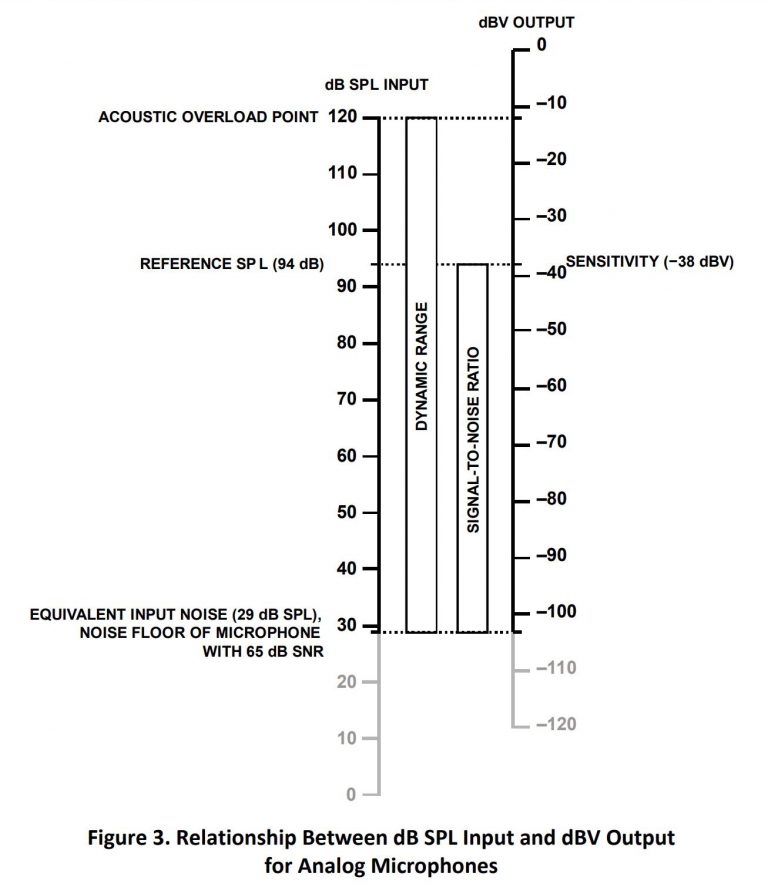
例如圖中有一個 reference SPL = 94 dB SPL, 它換算的輸出電壓就是 -38 dBV. 這個輸出也稱之為 sensitivity. 根據 [1], The sensitivity of a microphone is the electrical response at its output to a given standard acoustic input.
Sensitivity 對應到 EIN 所對應的 dBV 中間的差異就是 SNR (signal to noise ratio).
REQ1 – Decrease network usage from ABR content consumption;
REQ2 – Keep the ABR client devices unchanged
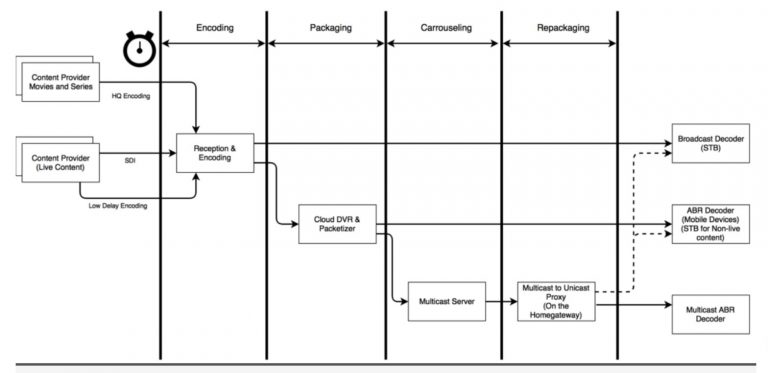
最簡單的方法, 就是在客戶開始操作 time shift 的時候, 把 live 的 multicast 改為 unicast. 怎麼辦到呢? 這需要在網路中加上一些新的設備, 前面提到的 Multicast server 以及 Multicast to unicast proxy.
Multicast Server – Has 2 main purposes: creating a carrousel with the ABR segments, on a technology similar to DSM-CC (although there’s no repetition of packets) and the retransmission of missing multicast packets.
Multicast to unicast proxy – This is a home gateway software module, which converts multicast content into ABR segments.

 Cash Chou's Blog